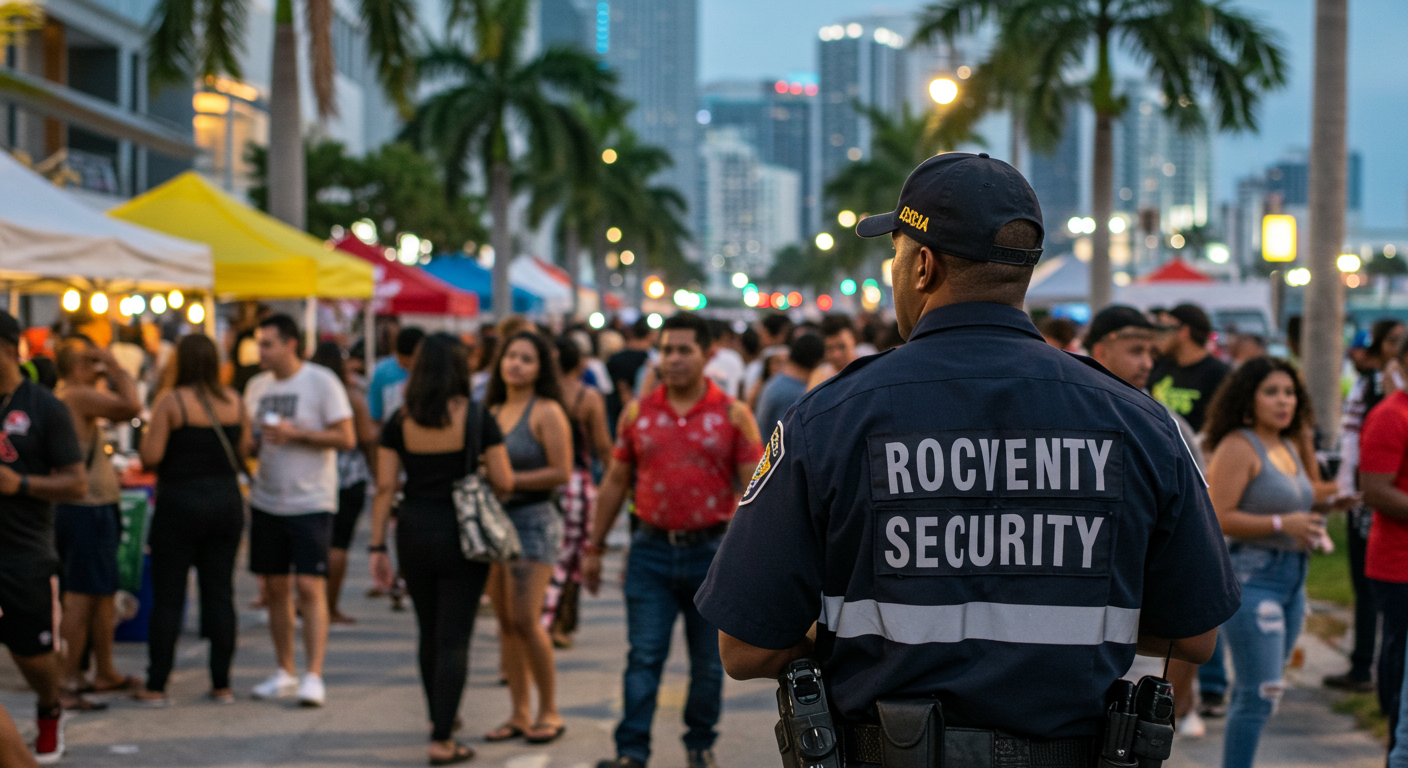
I still get chills thinking about that bank robbery I stopped in Aventura two years ago. Guy walks in wearing a business suit, approaches the teller like he’s making a normal deposit, then slides a note demanding cash while showing her the gun under his jacket.
The teller froze. Customers in line had no idea what was happening. And I’m watching this unfold from 15 feet away, knowing that the next 30 seconds would determine whether everyone goes home safe or whether I’m dealing with hostages, shootings, and dead bodies.
That’s bank security reality – you’re protecting people’s life savings, their sense of safety, and sometimes their actual lives. When someone decides to rob a bank, they’re desperate enough to hurt people, and you better be ready to stop them before they do.
I’ve been protecting banks throughout Miami for over a decade, and the threats keep evolving. It’s not just robbery anymore – it’s sophisticated fraud, cyber attacks, internal theft, and criminals who study security procedures like they’re planning military operations.
Bank Robberies Are Still Very Real
People think bank robberies are something from old movies, but I deal with attempted robberies, casing incidents, and actual heists more often than most people realize.
That Aventura robbery I mentioned? The guy had studied the bank for weeks. Knew exactly which teller station had the most cash, what time of day they’d have the least security coverage, and how long it would take police to respond. He wasn’t some desperate junkie – he was a professional who’d robbed six other banks in three states.
The only reason he didn’t succeed was that I recognized the signs. The way he surveyed the lobby before approaching the counter, how he kept his hand inside his jacket, the nervous energy that screamed “this isn’t normal.” When he made his move, I was already moving to stop him.
Most bank security guards would’ve been sitting at a desk or walking around aimlessly. By the time they realized what was happening, the robbery would’ve been over and traumatized employees would be left to deal with the aftermath.
Modern Bank Fraud Is Incredibly Sophisticated
Bank robbery gets the headlines, but fraud attempts happen daily and cost way more money. I’ve caught people trying everything from fake checks to identity theft to elaborate schemes involving multiple accomplices.
Last month I spotted a fraud operation at a Coral Gables bank that was so slick it almost worked. A woman comes in claiming to be a business owner needing to access her company account. Had perfect fake ID, knew account numbers, could answer security questions – everything seemed legitimate.
But something felt off about her body language. She was too nervous for someone doing routine banking, kept checking her phone like she was getting instructions, and her story about needing emergency access didn’t quite add up.
Turned out she was part of a crew that had hacked the real business owner’s accounts, stolen personal information, and created fake IDs good enough to fool most people. If I hadn’t been paying attention, they would’ve walked out with $85,000 from someone’s business account.
The scary part? The real account holder had no idea their information was compromised until we called to verify the transaction.
Employee Theft Is Way More Common Than People Think
Here’s what bank managers don’t want to admit – some of their biggest security threats come from their own employees. Tellers with access to cash, loan officers who can manipulate accounts, managers who can override security systems.
I investigated a case where a bank teller in Miami Beach was skimming cash from customer deposits over eight months. She’d take $20 or $40 from larger deposits, adjust the paperwork, and pocket the difference. Customers never noticed because their deposit slips showed the correct amounts.
She stole over $30,000 before getting caught, and only because a customer happened to count their cash after making a deposit and realized money was missing. If they hadn’t been paying attention, she’d probably still be doing it.
Employee theft is hard to catch because these people know exactly how the systems work and where the security gaps are. They understand how to manipulate records, when audits happen, and how much they can steal without triggering automatic alerts.
ATM Security Is a Nightmare
ATMs are basically cash machines sitting outside with minimal protection, which makes them magnets for every type of criminal you can imagine.
I’ve dealt with everything from card skimmers that steal customer information to crews that ram stolen cars into bank walls to access ATMs. The thieves don’t care about cameras or alarms because they plan to be gone before anyone can respond.
Two months ago, a crew hit an ATM in downtown Miami using a stolen truck to rip the entire machine out of the wall. Got away with $200,000 in cash and caused $50,000 in building damage. Total time on site? Four minutes.
But the real damage wasn’t just the money. Customers lost confidence in using that location, the bank faced liability issues from the building damage, and employees were traumatized by having their workplace attacked.
ATM security requires constant monitoring, immediate response capabilities, and coordination with police who understand that these crimes happen fast and violent.
Customer Safety vs. Security Theater
Banks face this impossible balance between making customers feel safe and not making them feel like they’re entering a prison. Too little security and people get robbed. Too much security and customers take their business elsewhere.
I worked with a bank in South Beach that installed so much visible security – multiple guards, metal detectors, bulletproof barriers – that customers complained about feeling like they were visiting a jail. Wealthy clients started going to other banks because they didn’t want to deal with the hassle.
But here’s the thing – effective security doesn’t have to be obvious or intimidating. Professional bank security should make customers feel safer, not scared.
My approach is discrete but thorough. Customers should notice that security is present and professional, but they shouldn’t feel like they’re being treated as potential criminals. When there’s a real threat, we handle it quickly and quietly before most customers even realize there was a problem.
Federal Regulations Make Everything Complicated
Banking security isn’t just about preventing crime – it’s about complying with federal regulations that can shut down a bank for violations. FDIC requirements, anti-money laundering laws, customer privacy regulations – mess up any of these and you’re dealing with federal investigations.
I’ve seen banks get fined hundreds of thousands of dollars for security violations that had nothing to do with actual crimes. Improper cash handling procedures, inadequate employee background checks, failure to report suspicious activities – the regulatory penalties can be worse than theft losses.
Bank security has to protect against crime while ensuring every procedure meets federal standards. That requires specialized training and constant updates as regulations change.
Cyber Security Meets Physical Security
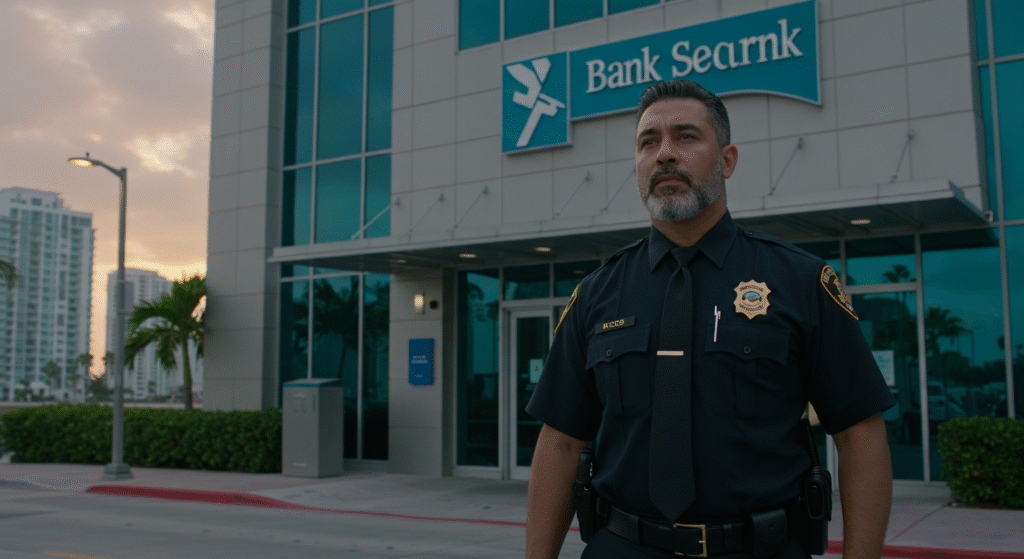
Modern bank threats aren’t just people with guns – they’re hackers who can steal more money from a laptop than old-school robbers could get from a vault.
I’ve worked with banks that discovered criminals had installed devices on their computer networks to steal customer information and account access. The thieves never set foot in the bank, but they were able to drain accounts from anywhere in the world.
Physical security now includes protecting computer systems, monitoring for unauthorized devices, and ensuring that cyber criminals can’t get physical access to networks and servers.
The scariest part is that most bank employees wouldn’t recognize a cyber attack if they saw one. Someone plugging a device into a computer port might look like routine maintenance, but it could be installing malware that steals millions.
Different Banks, Different Risks
Community banks in residential areas face different threats than commercial banks in business districts. Credit unions have different security needs than investment firms. Each type of financial institution needs security that matches their specific risks. We provide residential security services in these areas to secure communities and banks
Small banks often deal with more personal relationships and lower security budgets, which makes them targets for criminals who think they’ll be easier to rob or defraud.
Large banks have more resources but also attract more sophisticated criminals who see bigger payoffs for successful attacks.
Commercial banks dealing with business accounts face risks from embezzlement, check fraud, and criminals who target companies with large cash flows.
Each situation requires security that understands the specific threats and customer base.
Emergency Response When Things Go Wrong
Bank emergencies aren’t just robberies – they’re medical crises, suspicious packages, bomb threats, hostage situations, and active shooter scenarios. Security personnel need training for all of them.
I’ve responded to heart attacks, strokes, and panic attacks in bank lobbies. Elderly customers who collapse while waiting in line, business owners who have medical emergencies during stressful transactions, employees who crack under pressure.
Medical emergencies in banks create unique challenges because you’re dealing with money, privacy regulations, and customers who might panic if they think something dangerous is happening.
Emergency response training for bank security includes medical situations, evacuation procedures, law enforcement coordination, and protecting evidence when crimes occur.
The Human Cost of Bank Crime
Bank crimes don’t just cost money – they traumatize employees and customers who lose their sense of safety in places where they should feel secure.
I’ve worked with tellers who quit after being robbed, customers who moved their accounts after witnessing crimes, and bank managers who couldn’t sleep because they kept reliving violent incidents.
The psychological damage from bank crimes often costs more than the financial losses. Employee turnover, customer defections, and reputation damage can destroy a bank’s business even if they recover all stolen money.
Good bank security protects people’s emotional well-being as much as their financial assets.
Investment vs. Risk Management
Bank security isn’t just an expense – it’s insurance against losses that could destroy the institution. One major security failure can cost more than decades of security budgets.
Professional bank security typically costs 2-3% of a bank’s operating budget. Security failures can cost 10-50% of annual profits when you include theft losses, regulatory fines, lawsuit settlements, and business disruption.
But the real value of professional security is customer confidence. People need to trust that their money is safe, their personal information is protected, and they won’t be hurt while conducting normal banking business.
Choosing Security for Financial Institutions
Bank security requires specialized training, federal compliance knowledge, and understanding of financial operations that generic security companies don’t have.
You need guards who can handle everything from detecting fraud attempts to responding to robberies to managing medical emergencies. They need to understand banking regulations, customer service, and threat assessment.
The security company needs ongoing training programs, federal compliance monitoring, and coordination with law enforcement agencies that investigate financial crimes.
Don’t Gamble with People’s Trust
Banks handle people’s life savings, business capital, and financial security. That’s not something you protect with minimum-wage guards who don’t understand the responsibility.
Whether you need armed security for high-risk locations, fraud detection training for employees, or emergency response planning for crisis situations, the key is working with professionals who understand that banking security is about protecting trust as much as money.
I’ve been protecting banks and credit unions throughout Miami, Fort Lauderdale, Palm Beach, Delray Beach, Weston, Plantation, Port Saint Lucie, Palm Bay, Cocoa Beach, and Fort Myers for over 12 years.
I understand that bank security must balance customer service with serious protection against sophisticated threats. Your customers trust you with their financial future – that trust deserves the best security available.