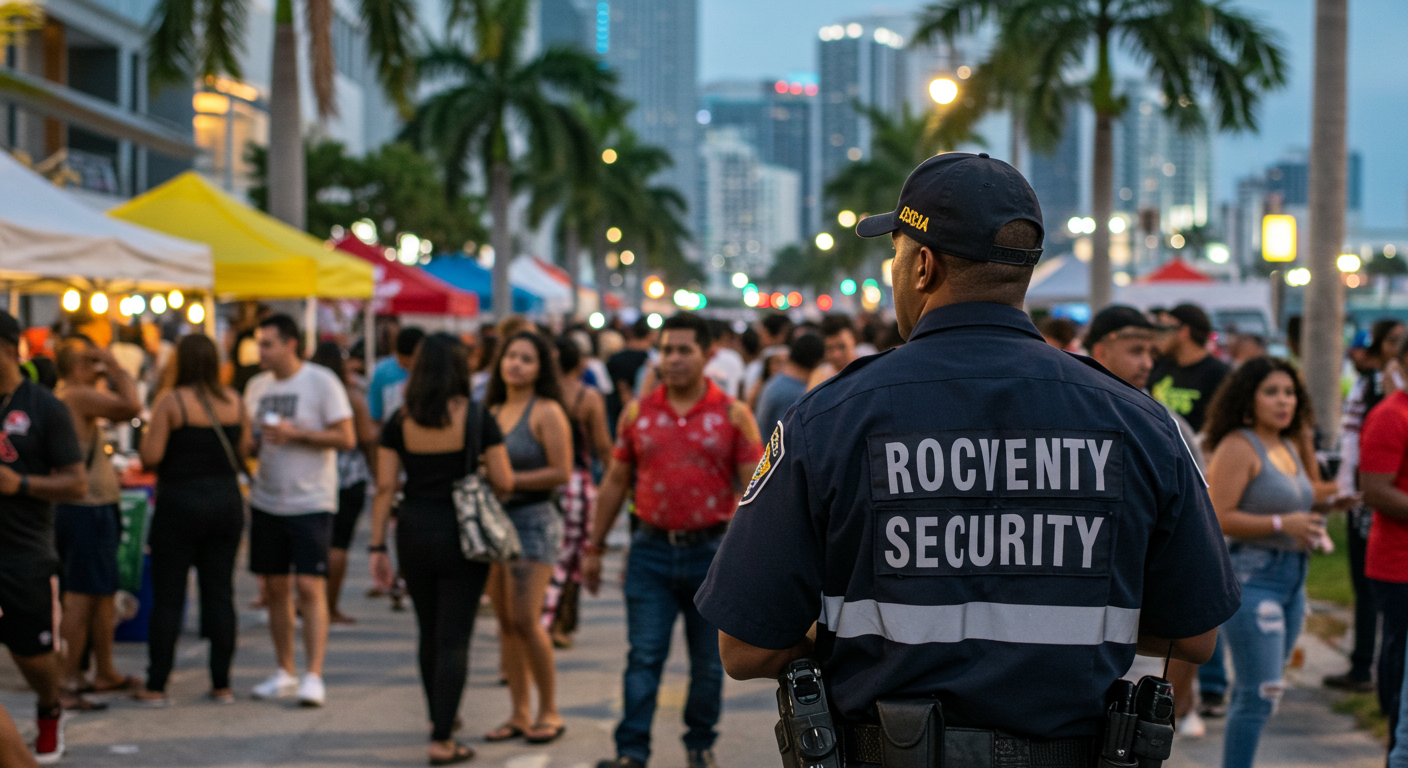
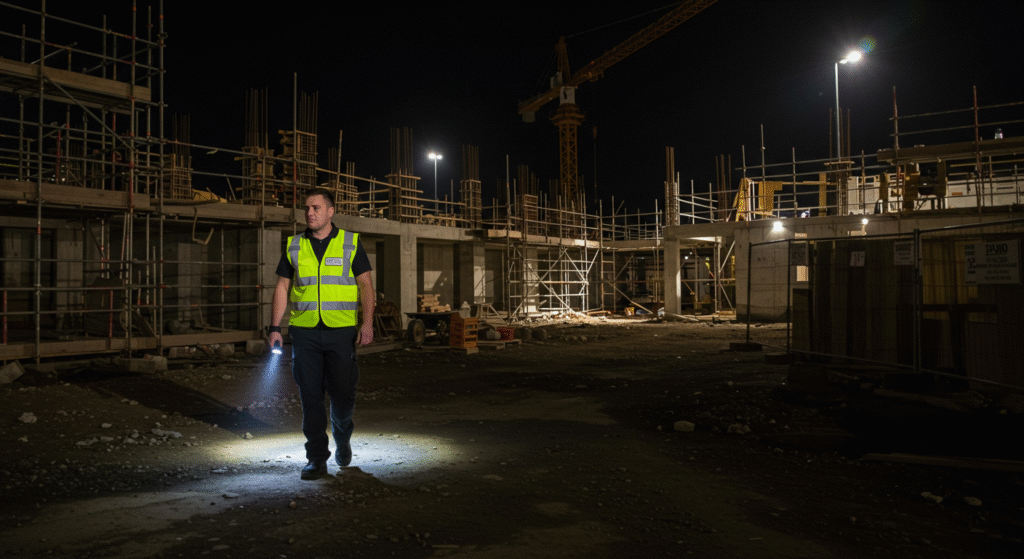
Three weeks ago I’m doing a security check at a construction site in Coral Gables when I heard this buzzing sound coming from the back of the property. I grab my flashlight and find three guys with angle grinders cutting every piece of copper wire they can find – electrical, plumbing, HVAC – basically destroying six months of work to steal maybe $500 worth of metal.
The contractor lost $85,000 in damages and delays. The project got pushed back two months. And those thieves? They probably sold that copper for enough money to buy crack for the weekend.
That’s construction site theft in Miami – criminals who’ll destroy $100,000 worth of work to steal $1,000 worth of materials. They don’t care that they’re putting people out of work, delaying projects, or creating safety hazards that could kill someone.
I’ve been protecting construction sites throughout South Florida for 12 years, and the theft problem keeps getting worse. These aren’t kids looking for trouble – they’re organized crews with tools, trucks, and detailed knowledge of what’s valuable and how to get it out fast.
Copper Wire Theft Is Destroying Projects
You want to know what really makes me mad? Copper thieves who think a few hundred dollars in scrap metal is worth destroying months of work and putting lives at risk.
Last month I caught a crew hitting a high-rise project in downtown Miami. They’d figured out the security patrol schedule and were timing their hits for the 20-minute gap between rounds. Three guys with power tools, cutting out copper wiring faster than you could believe.
But here’s the really sick part – they cut the main electrical feeds to the construction elevators while workers were still in the building. Could’ve killed someone if those elevators had failed with people inside.
The damage? $120,000 in stolen and destroyed wiring, plus another $200,000 in project delays while electricians rewired everything. All so some tweakers could make $800 at the scrap yard.
Construction sites are goldmines for copper thieves because the wiring is accessible, there’s usually no one around at night, and by the time you discover the theft, they’re long gone.
Tool Theft That Puts Workers Out of Business
Construction workers invest their lives in their tools. I’ve met guys who’ve got $30,000 worth of specialized equipment that they’ve bought over 20 years of working. When someone steals their tools, it’s not just theft – it’s destroying their ability to make a living.
I investigated a case where thieves hit a job site in Aventura and cleaned out three work trailers full of tools. Dewalt saws, Milwaukee drills, Hilti concrete equipment – everything workers need to do their jobs. One carpenter told me he lost tools that took him 15 years to collect, and his insurance only covered half the replacement cost.
But the real damage wasn’t just the money. The project got delayed two weeks while workers tried to replace their equipment, which cost the contractor penalty fees and overtime. Some guys couldn’t afford to replace everything, so they had to find other work or take loans they couldn’t afford.
Tool theft destroys lives, not just projects.
Heavy Equipment That Disappears Overnight
Construction equipment theft is a multi-million-dollar business in Miami. Excavators, bulldozers, generators, compressors – stuff worth hundreds of thousands of dollars that thieves can steal and sell faster than you’d believe.
Six months ago, a contractor in Doral lost a $200,000 excavator that disappeared from a job site over the weekend. The thieves brought their own flatbed truck, loaded it up, and drove away like they owned it.
The crazy part? They probably had it sold and shipped out of the country before anyone noticed it was missing. Miami’s ports make it easy to move stolen equipment to places where it can’t be tracked.
That contractor had to rent replacement equipment at $2,000 a day while insurance companies investigated the theft. Project delays cost him another $50,000 in penalties. All because he thought chain-link fencing was enough security for a quarter-million-dollar machine.
Vandalism That Goes Way Beyond Graffiti
Construction site vandalism isn’t just kids with spray paint. I’ve seen organized destruction that seems designed to cause maximum damage and delays.
Last year I responded to a Wynwood development where vandals had spent hours destroying everything they could reach. Cut hydraulic lines on equipment, poured sand into fuel tanks, smashed windows, destroyed electrical panels – probably $300,000 in damage that served no purpose except causing pain.
The project manager said it looked like the vandals knew exactly what would cause the most expensive problems. They didn’t just break random stuff – they targeted critical systems that would shut down the entire project.
Sometimes vandalism is personal – disgruntled workers, neighbors who don’t want the development, competitors trying to cause problems. Sometimes it’s just people who enjoy destroying things that other people work hard to build.
Either way, the results are the same – delays, cost overruns, and workers who lose income while repairs get made.
Trespassing Liability That Can Bankrupt Contractors
Here’s something that keeps contractors awake at night – people getting hurt on their job sites and suing for millions. Kids who sneak in to play on equipment, homeless people who camp in unfinished buildings, thrill-seekers who think construction sites are playgrounds.
Three months ago, a teenager in Homestead fell through the floor of an unfinished building and broke his back. The family sued the contractor for $5 million, claiming inadequate security allowed their son to access a dangerous area.
The contractor had warning signs and basic fencing, but the judge said that wasn’t enough to prevent foreseeable trespassing. The insurance company settled for $2.3 million, and the contractor’s premiums tripled.
That’s the reality of construction site liability – you’re responsible for protecting people even when they’re breaking into your property illegally.
Worker Safety in Unsecured Sites
Construction workers face enough safety risks from the work itself without having to worry about crime and vandalism making their jobs more dangerous.
I’ve seen workers injured by equipment that was sabotaged overnight, hurt by unstable structures that vandals damaged, and threatened by drug addicts who were camping in unfinished buildings.
Last month, a crew in Miami Beach showed up to find that someone had cut safety cables on scaffolding. If they hadn’t caught it during their morning safety check, workers could’ve fallen 40 feet when the structure collapsed.
Construction sites change every day, which means new safety hazards and security vulnerabilities constantly develop. What was secure yesterday might be completely exposed today.
Organized Theft Crews Know What They’re Doing
Forget the idea that construction theft is random crime. Professional crews study job sites, plan their hits, and target specific materials and equipment they know they can sell.
I’ve tracked one crew that specializes in hitting electrical contractors. They know exactly what wire types are most valuable, which tools are easiest to resell, and how to disable security systems without triggering alarms.
Their latest hit was a commercial project in Doral where they stole $45,000 worth of electrical equipment in 20 minutes. They knew exactly where everything was stored, had the right tools to get it out, and were gone before security could respond.
These crews often have inside information – former employees, current workers who need money, suppliers who know delivery schedules. They’re not just randomly hitting construction sites – they’re targeting specific projects at specific times when they know security is weakest.
Mobile Security That Actually Works
Construction sites are impossible to secure like regular buildings because they change constantly and cover huge areas. You can’t just lock the doors and call it secure.
Mobile patrol security that hits sites at random times is the only thing that really deters theft. Criminals study security patterns, so predictable patrols are useless. They’ll watch your guards for a week, learn the schedule, and time their thefts for the gaps.
I run patrol routes that change every night – different times, different routes, different durations. Sometimes we hit a site three times in four hours, sometimes we stay away for six hours. Criminals can’t plan around security they can’t predict.
The key is having guards who understand construction operations and can spot problems that regular security might miss. When someone’s been cutting into a fence or equipment has been moved, my team knows what to look for.
Technology That Helps and Hurts
Construction sites are perfect for security technology – remote areas where cameras and sensors can operate without interfering with public access. But they’re also perfect for criminals who can take their time defeating security systems.
Smart cameras with night vision and motion detection can alert guards to problems in real time. But thieves have figured out how to disable cameras with spray paint, wire cutters, or just shooting them with BB guns.
GPS tracking on equipment helps recover stolen machines, but professional thieves know how to find and disable tracking devices before they move equipment.
Alarm systems work great until criminals figure out they can set them off repeatedly until security stops responding, thinking they’re false alarms.
The technology has to support human security, not replace it. Cameras can spot problems, but guards have to respond fast enough to stop them.
Weather Makes Everything Worse
Miami weather creates unique challenges for construction site security. Hurricane season means securing sites against 150-mph winds while protecting equipment that can’t be moved. Heavy rains create mud and flooding that make sites harder to patrol and easier for thieves to access unseen.
Summer heat means security guards need air-conditioned vehicles and frequent breaks, which creates gaps in coverage. Afternoon thunderstorms can shut down security patrols for hours while making sites more vulnerable to theft.
I’ve seen thieves time their hits for right after storms when they know security will be dealing with weather damage instead of watching for crime.
The Real Cost of Poor Construction Security
Construction theft and vandalism costs more than just the value of stolen materials. Projects get delayed, workers lose income, contractors face penalties, and everyone’s insurance rates go up.
A major theft can push a project over budget, delay completion for months, and damage relationships between contractors, suppliers, and clients. Some contractors have gone out of business after major theft losses.
But the hidden costs are even bigger – lost productivity while replacing stolen tools, safety risks from damaged equipment, worker morale problems when people feel unsafe on job sites.
Professional construction security typically costs 1-2% of project value. Theft and vandalism can cost 5-15% of project value when you include delays, penalties, and insurance claims.
Choosing Security for Construction Sites
Construction site security requires guards who understand building operations, can work in industrial environments, and know the difference between normal construction activity and criminal behavior.
You need mobile patrols that can cover large areas, respond quickly to problems, and adapt to constantly changing site conditions. Guards need vehicles equipped for rough terrain, communication systems that work in remote areas, and training on construction safety.
The security company needs to understand your project timeline, coordinate with site supervisors, and adjust coverage as the project evolves from foundation work to finish construction.
Don’t Let Thieves Destroy Your Project
Every construction project faces security risks that can turn profitable jobs into financial disasters. The question isn’t whether you’ll have security problems – it’s whether you’ll be prepared to prevent them.
Professional security protects your investment, your workers, your equipment, and your reputation. It keeps projects on schedule and on budget while creating safe work environments where people can focus on building instead of worrying about crime.
I’ve been Asset protection security services for construction sites throughout Miami-Dade, Fort Lauderdale, Palm Beach, Delray Beach, Weston, Plantation, Port Saint Lucie, Palm Bay, Cocoa Beach, and Fort Myers for over 12 years.
I understand that construction security has to work with your project schedule, your budget, and your workers while providing serious protection against theft, vandalism, and liability risks.